Why St John Medical Alarms Are a Smart Choice for New Zealand Seniors
Understanding the Role of Medical Alarms in Everyday Safety
When you live independently as a senior, the thought of having a fall or a medical emergency with no one around is unsettling. That feeling is shared by many New Zealand seniors and their families. It is a real concern, not an abstract worry. The good news is that technology has advanced far beyond the old pull-cords that only worked in one room. Modern medical alarms have become practical tools that support independent living without making you feel monitored or restricted.
I have spoken with caregivers and families across New Zealand who have helped a parent or grandparent set up a medical alarm. The consistent feedback is that the peace of mind it provides is immense. It is not just about the senior; it is about the whole family. Being able to check in remotely, knowing help is a button press away, and having a device that works in the shower or garden changes the dynamics of care. Among the options available, st john medical alarms stand out because they are backed by a trusted organisation with a long history of emergency response and community care.
What Makes St John Medical Alarms Different
St John Ambulance has been a part of New Zealand's emergency landscape for more than a century. Their involvement in medical alarms is a natural extension of their mission. When you choose st john medical alarms, you are not buying a generic device from a faceless company. You are connecting to a service that has deep roots in first aid, ambulance services, and community health. That heritage matters when seconds count.
A key differentiator is the integration with family monitoring. Many medical alarms on the market alert a call centre, and that is where the chain ends. With the St John service, family members can be notified directly. If your mother presses her pendant, you get an alert on your phone. You can hear what is happening through two-way calling and decide if you need to go over or if it is a false alarm. This reduces anxiety for everyone. The wearable pendant is waterproof, so it can be worn in the shower, which is where many falls happen. The battery life is designed to last for days, and the device is comfortable enough to wear all day without irritation.
Practical Features That Matter in Daily Life
Let us look at the features that actually make a difference. GPS tracking is one of the most valuable additions to modern medical alarms. If your loved one goes for a walk and gets disoriented, or if they fall outside the home, the GPS helps locate them quickly. This is especially important for seniors who are still active and mobile. You do not want to confine someone to their home to keep them safe; you want to give them the freedom to move with a safety net.
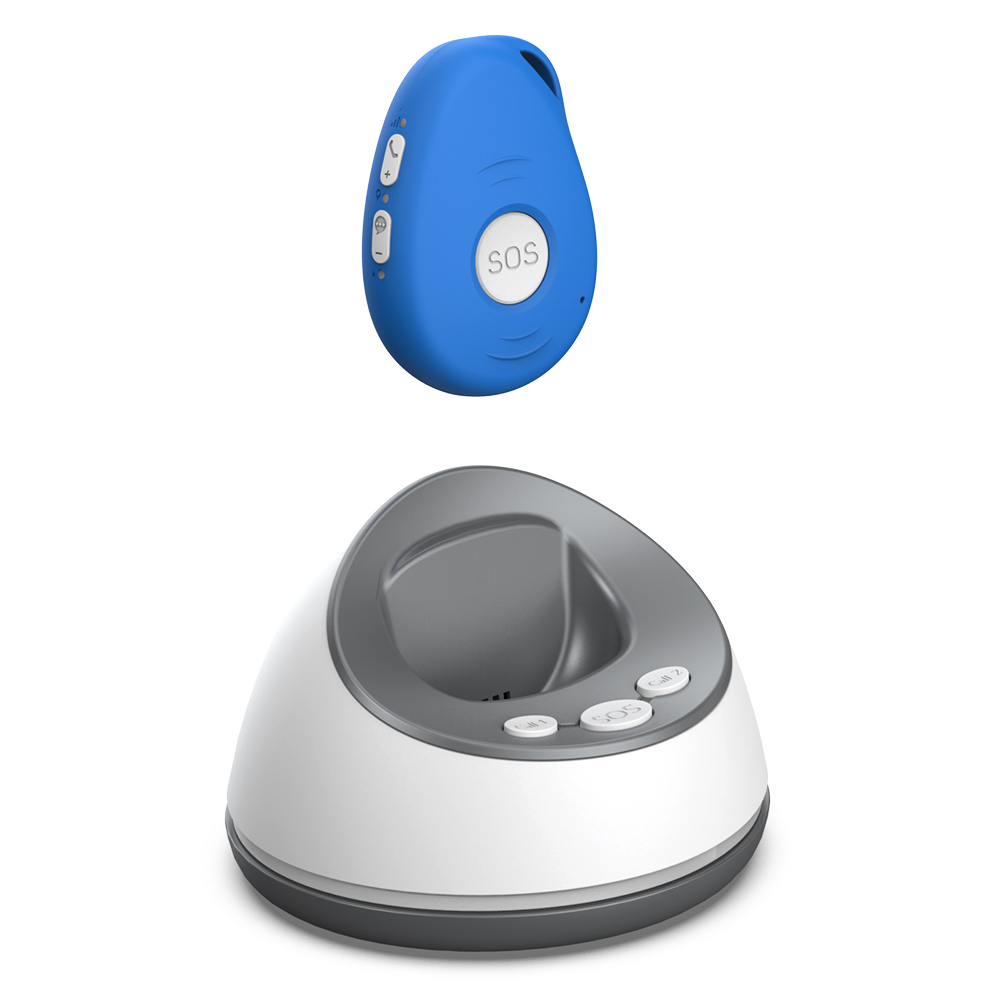
Fall detection is another feature that has matured well. The device can sense the impact and orientation of a fall and automatically trigger an alert, even if the person cannot press the button. This is crucial because after a fall, a person may be unconscious or unable to move. The automatic alert can mean the difference between a short wait and a long, dangerous one. I have heard stories from families where the automatic fall detection alerted them while the senior was still on the floor, unable to reach the pendant. Those minutes saved are invaluable.
Two-way calling is not just a gimmick. When an alert is sent, the response team can talk directly through the device. They can ask if the person is okay, what happened, and whether they need an ambulance or just help getting up. This cuts down on unnecessary emergency dispatches and gives the senior a human voice to talk to. It is a simple feature, but in practice it reduces panic and provides reassurance.
The Financial Side: No Monthly Fees
One of the biggest barriers to adopting medical alarms has been the ongoing cost. Many services charge a monthly subscription that adds up over the years. Some families hesitate because they worry about locking into a contract or paying for a service that might rarely be used. St John medical alarms address this with a model that has no monthly fees. You pay for the device, and that is it. This makes the decision simpler for families on a fixed income or those who want to avoid recurring bills. The absence of monthly fees also means the device can be used as a long-term safety tool without financial pressure.
I have seen families keep the alarm in a drawer because they were afraid of the monthly charge if they activated it. That defeats the purpose. With no monthly fees, the device stays on and ready. The pendant is worn, the battery is charged, and the system is live. That is the only way a medical alarm works: when it is actually being used. The upfront cost is a one-time investment in peace of mind.
Who Benefits Most from This Service
The typical user is a senior living alone or spending long hours at home while family members work or live elsewhere. But the benefits extend beyond that. Caregivers, often adult children, are the ones who manage the monitoring and response. They are the ones who get the alert on their phone while they are at the office or in another city. They are the ones who can call back and say, "Mum, I'm on my way." The system supports the caregiver almost as much as the senior.
New Zealand has a growing number of seniors who want to age in place. They want to stay in their own home, in their own community, for as long as possible. A medical alarm is one of the most effective tools to make that possible. It is not a replacement for home care or family support, but it is a reliable backup. When the caregiver cannot be there in person, the alarm provides a direct line to help.

What to Look for When Choosing a Medical Alarm
Not all medical alarms are the same. Here are a few practical points to consider before making a choice:
- Wearability: Is the pendant comfortable to wear all day? Is it waterproof so you do not have to take it off for a shower?
- Battery life: How long does it last on a charge? Does it give you a warning before the battery dies?
- Response time: When you press the button, how quickly does someone respond? Is it a person or a recording?
- Family integration: Can family members be notified directly? Can they listen in and talk through the device?
- Cost model: Are there monthly fees, or is it a one-time purchase? What happens if the device is lost or damaged?
These questions will help you separate a well-designed service from one that looks good on paper but falls short in real use. St John medical alarms score well on all these fronts, particularly on the family monitoring and no monthly fees aspects. The fact that St John Ambulance is behind the service adds a layer of trust that is hard to quantify but very real when you are making a decision for a vulnerable family member.
Making the Decision as a Family
Introducing a medical alarm into a senior's life is not always straightforward. Some seniors resist because they see it as a loss of independence or a sign that they are failing. That is a natural reaction. The key is to frame it as a tool that helps them stay independent longer, not as a device that takes away control. Emphasise that it allows them to keep doing what they love, whether that is gardening, walking the dog, or just enjoying a quiet afternoon at home, with the assurance that help is available if needed.
Family monitoring can also be a bridge. When the senior knows that the alert goes directly to a son or daughter, it feels less like a stranger barging in and more like a family safety net. The two-way calling lets the senior hear a familiar voice, which reduces anxiety. Over time, the device becomes a normal part of daily life, as ordinary as wearing glasses or carrying a phone.
I have seen families where the medical alarm has prevented a minor incident from becoming a major crisis. A fall in the garden, a sudden dizzy spell, a moment of confusion. The alarm turns those moments into a call for help rather than a silent emergency. That shift is profound. It changes the experience of aging from one of vulnerability to one of managed risk.

A Final Thought on Personal Safety
Personal safety for seniors is not just about having a device on hand. It is about creating a system that involves the senior, their family, and a reliable response network. St John medical alarms fit into that system well because they are built on a foundation of trust and practical experience. The combination of fall detection, GPS tracking, two-way calling, and no monthly fees addresses the real concerns that families have. It is not the cheapest option on the market, but it is one of the most complete.
If you are considering a medical alarm for yourself or a loved one, take the time to test the device, talk to the provider, and involve the senior in the choice. The best alarm is the one that actually gets worn and used. With the right device and a supportive family, living independently becomes a safer and more confident experience.